Low-dose aspirin linked to 70% lower dementia risk, but there's a catch
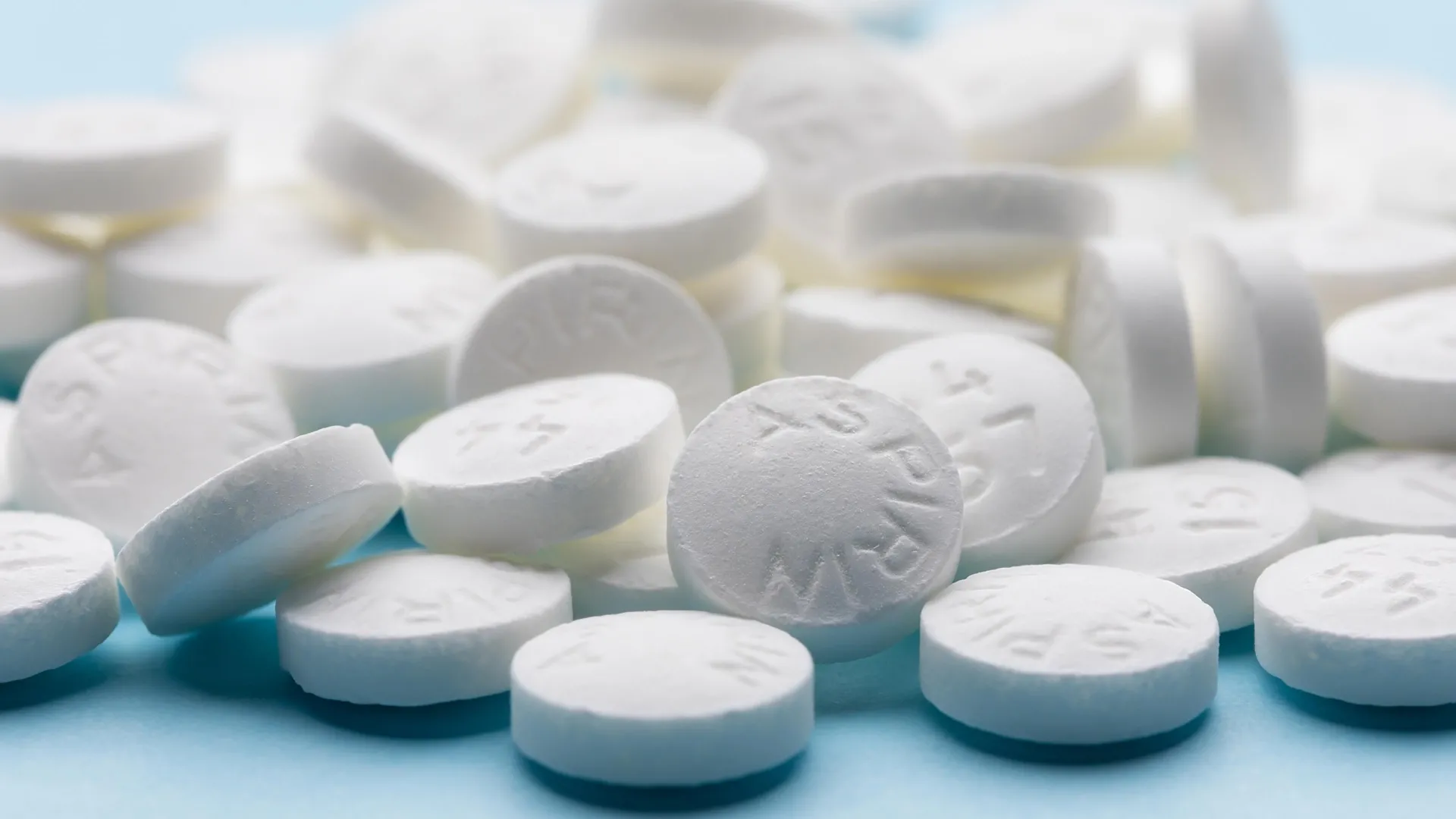
A common, inexpensive medication could hold an unexpected clue to preventing dementia. Researchers found that older adults with a specific genetic profile had a 70% lower relative risk of dementia when taking low-dose aspirin, even though previous studies found no overall protective effect. The discovery suggests that genetics could help explain why some people benefit while others do not.
Key points
- A Monash University analysis of ASPREE Trial data found that older adults with a specific platelet-count genetic profile who took low-dose aspirin had about a 70 percent lower relative risk of dementia.
- In that same genetic group, 4.4 percent of aspirin users had major bleeding versus 2.1 percent on placebo.
- Researchers say the results need confirmation in other populations and a dedicated trial, and people should not start taking aspirin to prevent dementia without consulting a doctor.
A new analysis from Monash University links low-dose aspirin to a 70 percent lower relative risk of dementia in older adults with a particular genetic profile. The findings, published in Alzheimer's & Dementia: The Journal of the Alzheimer's Association, drew on genetic data from more than 13,500 participants in the ASPREE Trial (Aspirin in Reducing Events in the Elderly).
The most striking results involved genes tied to platelets, the small blood components that help form clots. Among participants in the highest 20 percent of platelet count genetic scores, 1 percent of aspirin users developed dementia, compared with 3.3 percent of those taking a placebo.
Bleeding risk in same group
The apparent benefit came with a safety concern. In the same genetic group, 4.4 percent of aspirin users experienced major bleeding, compared with 2.1 percent of those receiving a placebo.
Lead author Dr. Peter Fransquet of Monash's School of Public Health and Preventive Medicine said earlier trials found aspirin did not prevent dementia when everyone was considered together, and that the new results suggest "there may be more to the story."
People shouldn't start taking aspirin to prevent dementia on the basis of this study without consulting with their doctor
— Dr. Peter Fransquet
What researchers say next
The genetic association identified did not involve the well-established risk factors usually linked to Alzheimer's disease and other dementias. Dr. Fransquet said the signal instead points toward platelet biology and offers "a new avenue to investigate."
Researchers stress the results must be confirmed before guiding medical recommendations. They plan to check whether the association appears in other populations and then run a clinical trial for people with this genetic profile. Dr. Fransquet warned that people should not start taking aspirin to prevent dementia based on this study without consulting their doctor, especially given the higher risk of serious bleeding.