Netanyahu's bloc leading Israel election but short of majority, partial results show
With 93% of ballots counted, Netanyahu's Likud party and its allies are set to win 53 seats in the 120-seat Knesset.
Key points
- Partial results show Netanyahu's bloc with 53 seats and Eisenkot's bloc with 48 in the 120-seat Knesset.
- Arab-led parties are on course for 19 seats but most Jewish parties refuse to work with them.
- Absentee ballots are being counted and could change the final seat allocation.
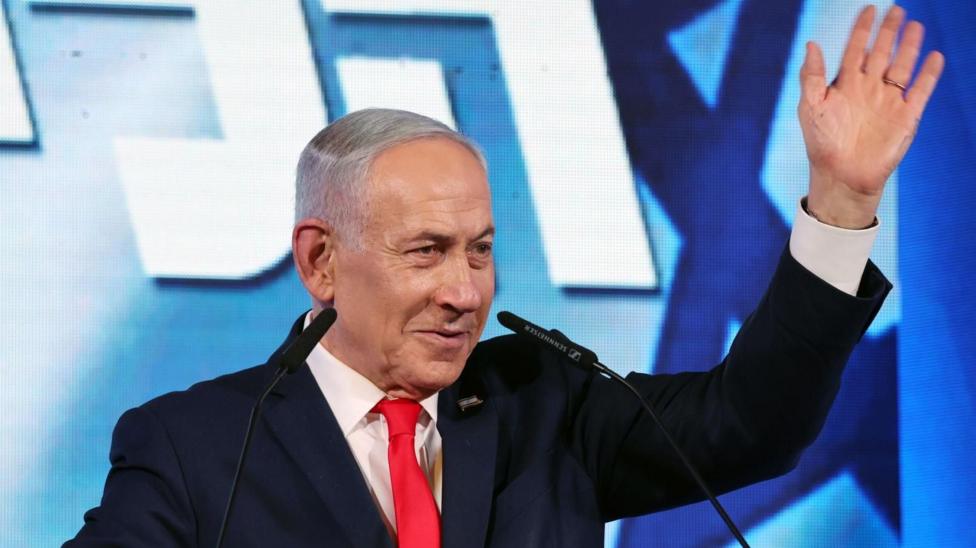
Partial results from Israel's general election show Prime Minister Benjamin Netanyahu's Likud party and its far-right and ultra-Orthodox allies marginally ahead of rival Gadi Eisenkot's bloc, but still short of a majority in the 120-seat Knesset. With 97% of ballots counted, Netanyahu's bloc is on track for 53 seats, while Eisenkot's Yashar party and three other Jewish opposition parties are set for 48.
Both leaders have said they will try to form a governing coalition. Arab-led parties are on course to win an unprecedented 19 seats and could emerge as kingmakers, but all but one of the Jewish parties have pledged not to work with them.
Absentee ballots and coalition talks
On Thursday, officials began counting as many as 480,000 absentee ballots from groups including soldiers, diplomats and hospital patients. These votes may change the final number of seats allotted to each party under Israel's proportional representation system.
Once results are confirmed, President Isaac Herzog will hold consultations with all political factions and invite the leader he believes has the best chance of forming a government. He said he expected official results next week and warned that another election must be avoided.
It is a badge of honour for Israeli society, and it was remarkable to see how deep the desire for democracy is in Israel.
— President Isaac Herzog
Dispute over Arab parties
Netanyahu declared that his right-wing bloc had won a "great majority" and said it was "forbidden" to form a government relying on Arab parties. Eisenkot said the public had "spoken in favour of change" and that he would work to translate the people's decision into a Zionist government.
Likud accused the Arab parties of election misconduct without providing evidence, and the Central Elections Committee said it would examine the allegations. The committee also asked the Shin Bet to investigate suspected improper foreign funding, with Haaretz reporting a claim involving Qatar. Arab party leaders rejected the accusations, and Qatar's foreign ministry spokesman denied any interference.