One of Earth’s most powerful supervolcanoes is refilling with fresh magma
Deep beneath Japan’s Kikai caldera, a massive magma reservoir is refilling 7,300 years after one of the most powerful volcanic eruptions in Earth's recent geological history. Scientists used underwater seismic surveys to reveal a vast store of magma that appears to have accumulated since the ancient catastrophe. The discovery could help explain how supervolcanoes like Yellowstone and Toba rebuild their magma…
Key points
- Scientists at Kobe University found fresh magma accumulating beneath Japan's Kikai caldera, which erupted about 7,300 years ago.
- Seismic surveys with airgun arrays and ocean bottom seismometers revealed a large magma-rich reservoir under the eruption site.
- Chemical differences in recent volcanic material suggest the magma was newly injected rather than left over from the ancient eruption.
Scientists at Kobe University have found evidence that fresh magma is slowly refilling the underground reservoir beneath Japan's Kikai caldera, about 7,300 years after the volcano produced one of the largest eruptions in recent geological history. The findings were published in Communications Earth & Environment.
The research was carried out with the Japan Agency for Marine-Earth Science and Technology (JAMSTEC). Because most of Kikai lies beneath the ocean, the team used airgun arrays to send seismic pulses through the crust and ocean bottom seismometers to record how the waves traveled through the rock.
What the surveys found
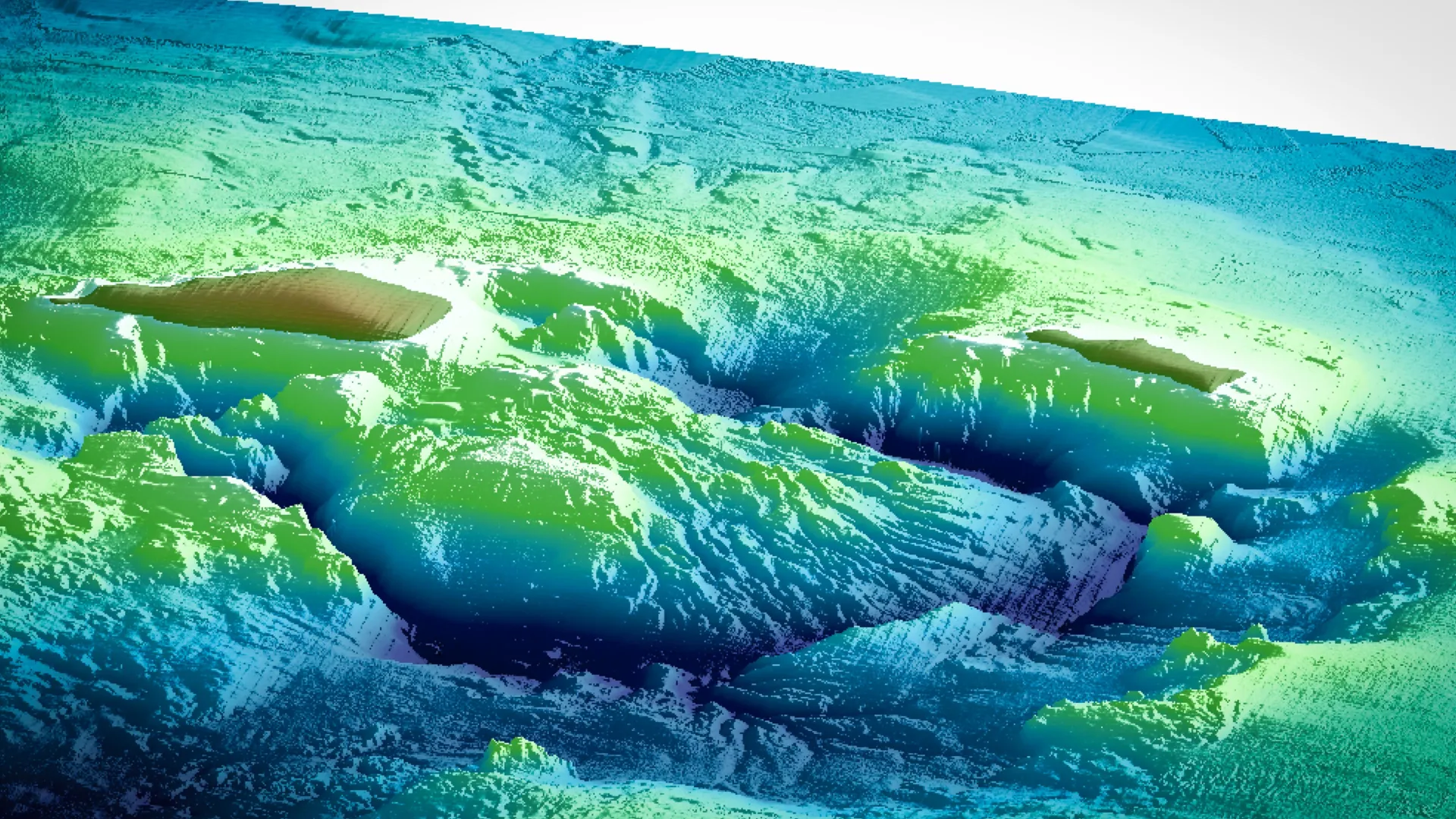
The seismic measurements revealed a substantial region containing a high proportion of magma directly beneath the site of the eruption 7,300 years ago. The team used the measurements to estimate the reservoir's approximate size and shape, and its position and extent suggest it is the same storage system involved in that eruption.
The magma does not appear to be simply leftover material. A new lava dome has been forming near the center of the caldera over roughly the past 3,900 years, and chemical analyses show material from it and other recent activity differs in composition from what was released in the giant eruption.
Due to its extent and location it is clear that this is in fact the same magma reservoir as in the previous eruption
— Nobukazu Seama
Implications for other supervolcanoes
The researchers say the replenishment does not mean another catastrophic eruption is imminent. Instead, it shows how a magma reservoir can be recharged over thousands of years, a process they say must be understood before the long-term behavior of supervolcanoes can be reliably assessed.
They believe the process seen at Kikai may help explain why other large caldera systems, including Yellowstone in the United States and Toba in Indonesia, also hold large magma reservoirs relatively close to the surface. The team now hopes to refine its seismic methods to study the re-injection process in more detail.