Scientists discover Europe's ancient forests were nothing like we imagined
Scientists have uncovered evidence that Europe was dominated for more than 20 million years by open woodlands, colorful meadows, and large grazing animals, not the dense forests long considered its natural state. The surprising discovery challenges modern reforestation strategies, suggesting that planting thick forests could actually harm the biodiversity conservationists hope to protect.
Key points
- Aarhus University researchers say Europe's ancient landscapes were open woodlands and meadows, not dense forests.
- The mixed habitats persisted for more than 20 million years, shaped partly by large grazing animals.
- The authors warn that planting dense forests may conflict with the ecosystems European species evolved in.
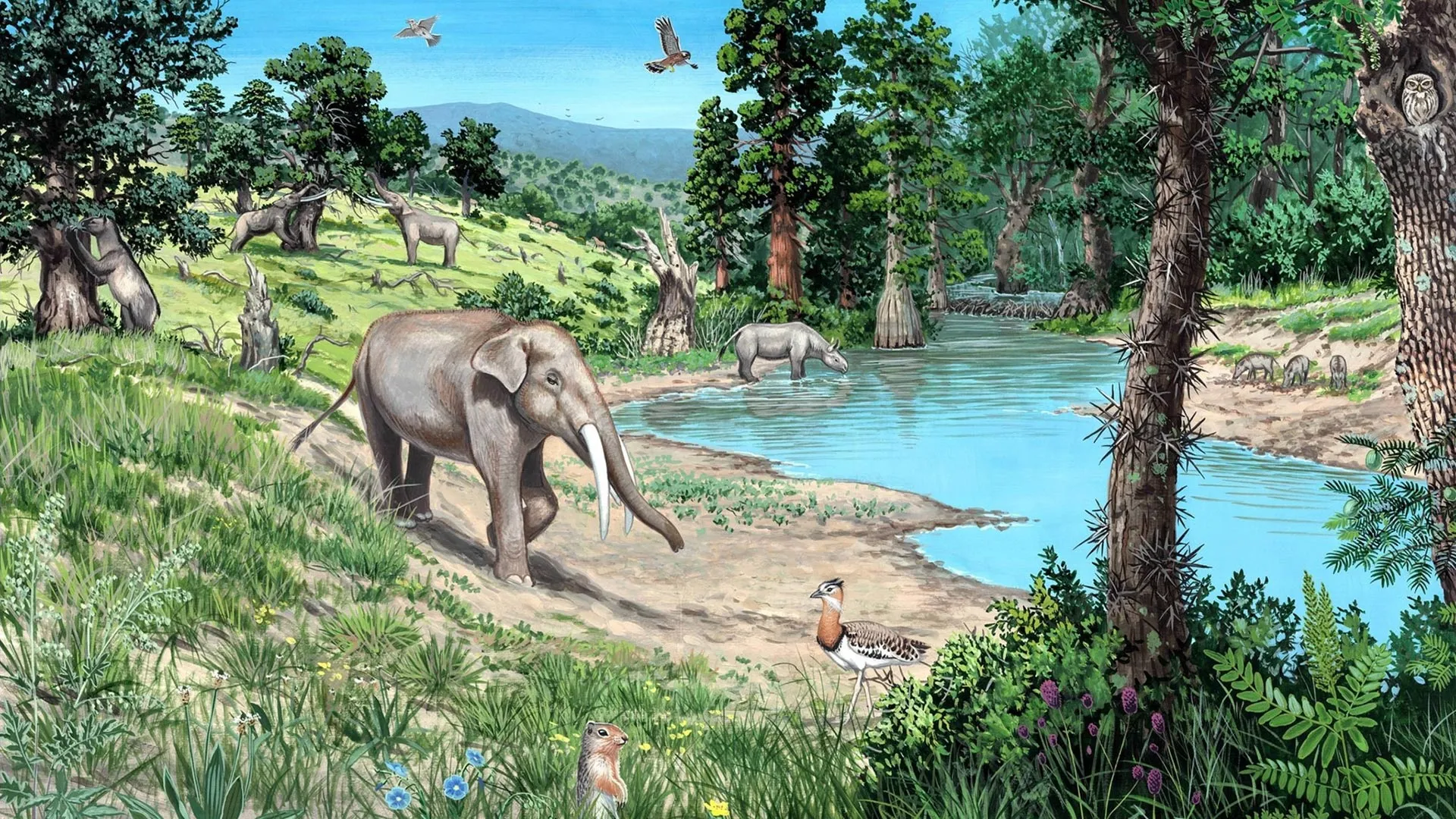
Much of Europe was not covered by dense, dark forest before human intervention, according to a new study led by Aarhus University. Instead, the continent was largely a shifting mix of scattered trees, open woodlands, grassy clearings and wildflower meadows, the researchers say.
The study, published in Biological Conservation, found this mixture of habitats dominated Europe's landscapes for more than 20 million years. The authors say dense closed-canopy forests are a relatively recent development in the continent's ecological history.
How the researchers worked
The team combined several independent lines of evidence, including fossilized pollen and plant remains, charcoal from ancient wildfires, and chemical signatures in the teeth and bones of plant-eating animals. They also examined fossil insects and mammals and ancient environmental DNA from sediments.
The records spanned the Miocene epoch, which began around 23 million years ago, through the pre-industrial era. Lead author Szymon Czyzewski, an ECONOVO PhD student at Aarhus University, said combining the datasets let the team trace long-term vegetation changes with more confidence than studies using a single method.
The study shows that current reforestation practices are on the wrong track
— Professor Jens-Christian Svenning
Large animals and modern forests
Ancient Europe was home to elephants, rhinoceroses, aurochs and bison, whose grazing and movement helped keep parts of the landscape open. The researchers say many of these large wild herbivores have disappeared, and traditional grazing has declined, with the most dramatic shift occurring largely within the last hundred years.
The authors argue that reforestation programs favoring uniformly dense woodland may not best restore Europe's native ecosystems. Senior author Professor Jens-Christian Svenning said current reforestation practices are "on the wrong track" and called for restoration that creates mosaics of woodland and open habitats, including through natural-living large herbivores.