Scientists propose a way to detect dangerous “mirror life” before it exists
Scientists have proposed a way to detect “mirror life,” a hypothetical form of life that could pose serious risks to humans, animals, and ecosystems if artificially created. Using special fluorescent molecules and a type of polarized light also used in 3D movie technology, researchers believe they could distinguish ordinary organisms from their mirror-image counterparts.
Key points
- Researchers from the University of Strathclyde and Durham University have proposed the first method to detect hypothetical mirror life using light signals from fluorescent probes.
- Mirror life does not currently exist, but experts say its potential consequences are severe enough to justify preparing detection methods in advance.
- The full detection method has not yet been experimentally demonstrated and will require further research to confirm it can reliably distinguish molecular handedness in biological samples.
Scientists at the University of Strathclyde and Durham University have proposed what they describe as the first method for detecting mirror life, a hypothetical form of life built from reversed versions of the molecules found in Earth's organisms. The technique, published in Royal Society Open Science, uses molecules that emit light with distinct left- and right-handed properties to tell conventional organisms apart from mirror-image counterparts.
Mirror life does not exist today. The researchers present the approach as a precaution, and the likelihood of such life emerging is considered low, though its possible consequences could be severe enough to warrant preparing detection methods in advance.
How the detection would work
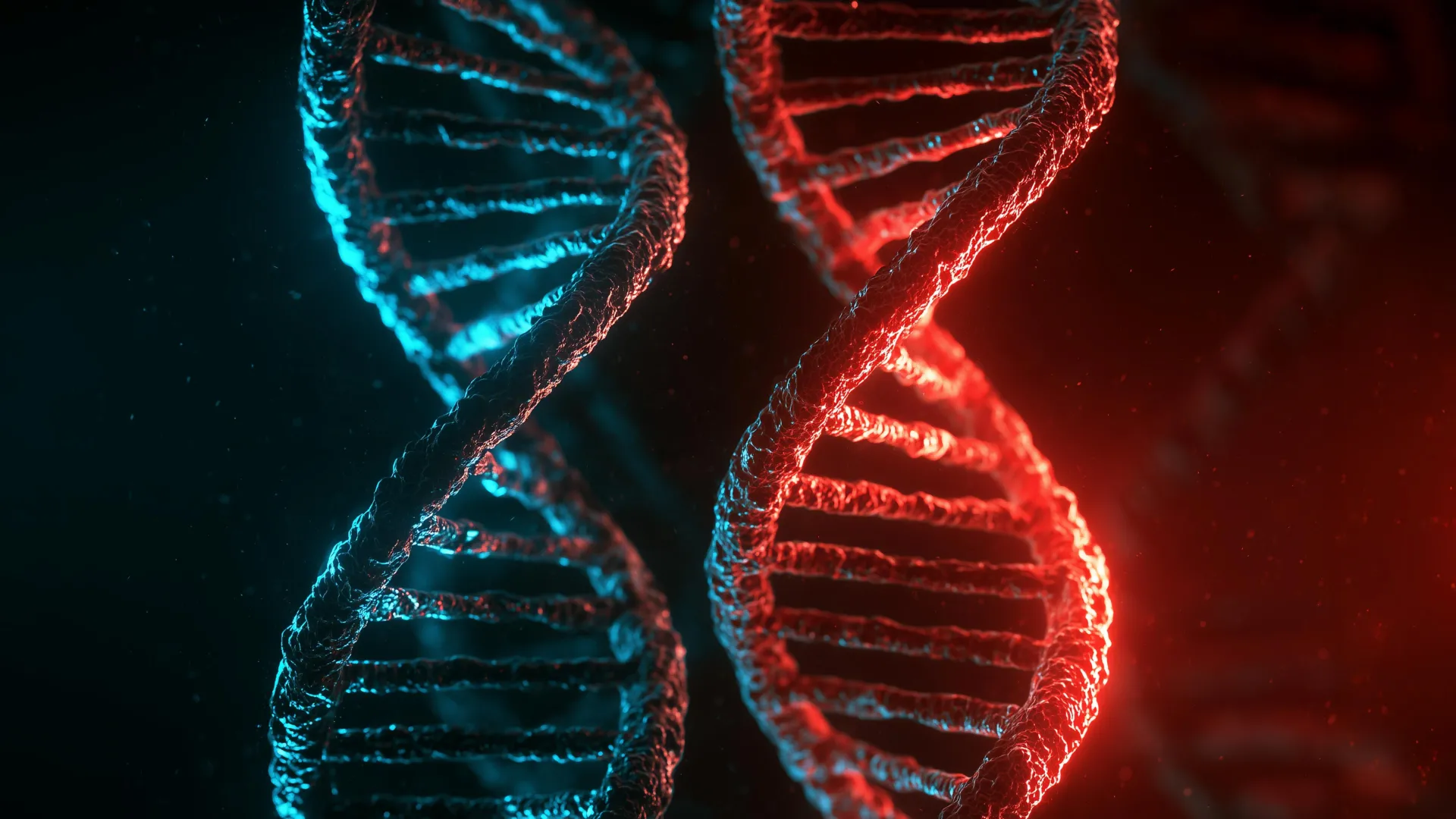
The method relies on circularly polarized luminescence, a phenomenon that reveals the molecular handedness, or chirality, of substances. Specialized fluorescent probes would attach to particular structures inside cells and generate characteristic light signals, which scientists could analyze as a kind of molecular fingerprint.
Because a single probe could give misleading results, the team proposes combining several probes that recognize different cellular structures. The technique could be tested and refined on ordinary biological samples without creating any mirror organisms.
We don't expect mirror life to appear tomorrow, but if it did arise, the consequences could be severe, and it makes sense to develop detection methods before they are needed.
— Dr. Lewis MacKenzie
Concerns and next steps
Some experts worry that artificial organisms built from reversed biological building blocks could interact unpredictably with Earth's ecosystems and evade natural defenses. The concerns have drawn attention from the UK Government and the United Nations Secretary General's Scientific Advisory Board, and have prompted calls to restrict research aimed at producing such organisms.
The complete detection method has not yet been experimentally demonstrated. Professor Robert Pal of Durham University has already shown laboratory-scale CPL detection involving microscopes, cameras and biological cell plate readers, and the researchers believe the approach could be adapted to many environments.