NASA is racing against time to save the Hubble Space Telescope
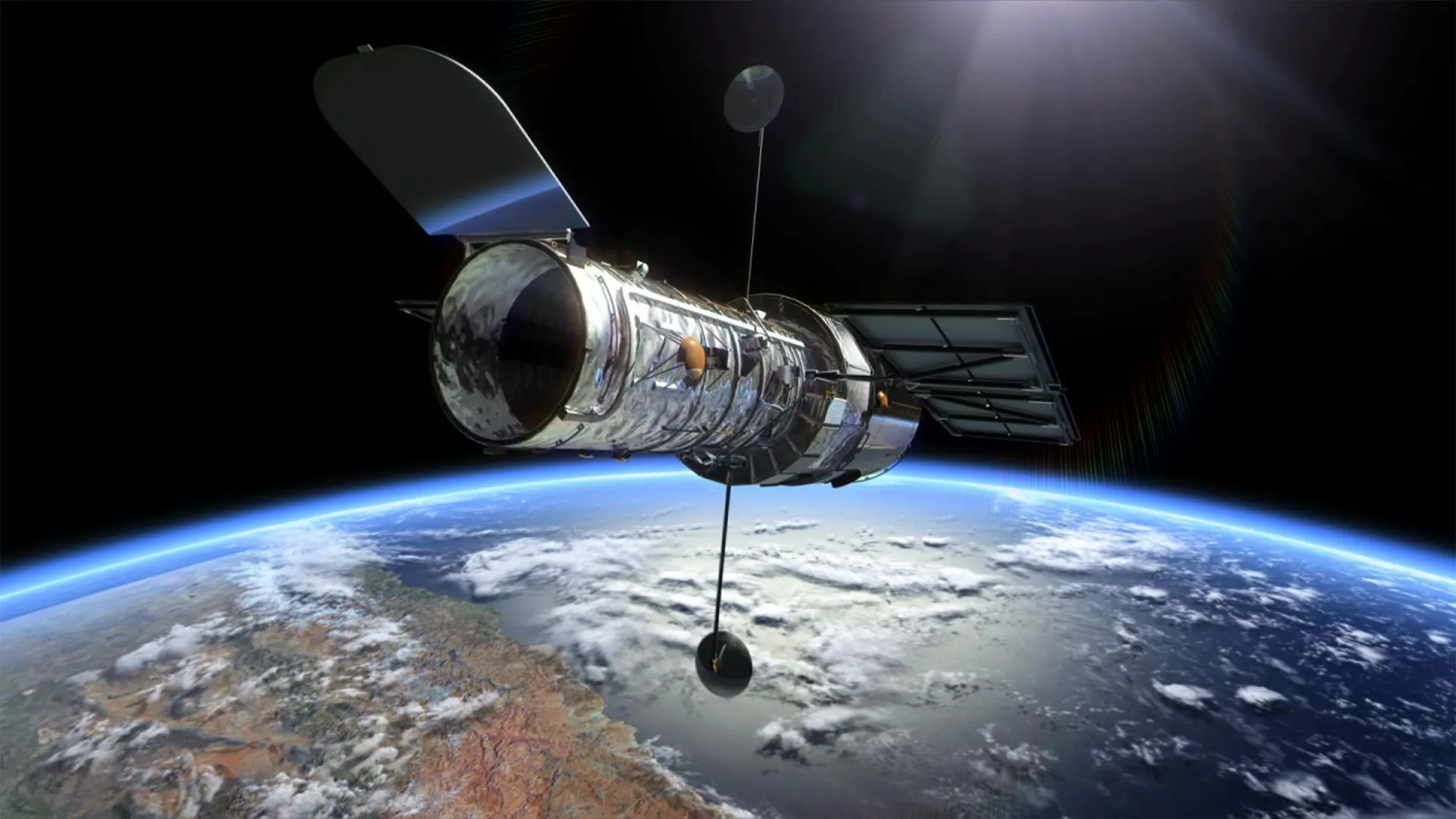
NASA is exploring a daring plan to save the legendary Hubble Space Telescope from its eventual fiery plunge into Earth's atmosphere. After more than 35 years of groundbreaking discoveries, Hubble is slowly losing altitude, and without intervention, it could fall back to Earth as early as 2033 or 2034. To keep the iconic observatory operating, NASA is asking private space companies to propose innovative ways to boost…
Key points
- NASA issued a Request for Information on October 29 on commercial technologies to service Hubble in orbit.
- Hubble has no propulsion and is expected to reenter Earth's atmosphere between 2033 and 2034.
- NASA says an orbital boost mission would need to happen by 2032 to prevent reentry.
NASA is exploring whether private space companies could help extend the life of the Hubble Space Telescope, which has been operating for more than 35 years. On October 29, the agency issued a Request for Information seeking details on commercial technologies that could service the telescope while it stays in orbit.
The agency wants to learn whether new spacecraft capabilities could keep the observatory working longer, improve its performance, or help end its mission safely. NASA says these options are being explored, not formally approved, and companies can respond until 3 p.m. EST on Monday, November 30.
Options under consideration
One possibility is sending a spacecraft to push Hubble into a higher orbit, counteracting the gradual loss of altitude that threatens its future. NASA is also interested in missions that could service the telescope and improve its capabilities.
Another option would focus on safely retiring Hubble when its scientific work is complete, either through a controlled descent into Earth's atmosphere or disposal in orbit.
Hubble still has important science ahead of it, and we should be looking at every reasonable opportunity to keep it delivering for as long as possible
— NASA Administrator Jared Isaacman
Shrinking orbit and timeline
Hubble travels through low Earth orbit, where traces of the atmosphere create drag that slowly lowers spacecraft altitude. Unlike craft with engines, Hubble has no propulsion system to raise its orbit on its own.
NASA's current analysis suggests Hubble will likely reenter Earth's atmosphere sometime between 2033 and 2034. To prevent that through an orbital boost, the agency expects a mission would need to occur by 2032.
What officials said
NASA Administrator Jared Isaacman said Hubble still has important science ahead of it and that the agency should examine every reasonable opportunity to keep it delivering. Nicky Fox, associate administrator of the Science Mission Directorate, said commercial industry has rapidly evolved to offer new in-space satellite capture and servicing capabilities.