Scientists discover a hidden immune weapon against deadly lung cancer
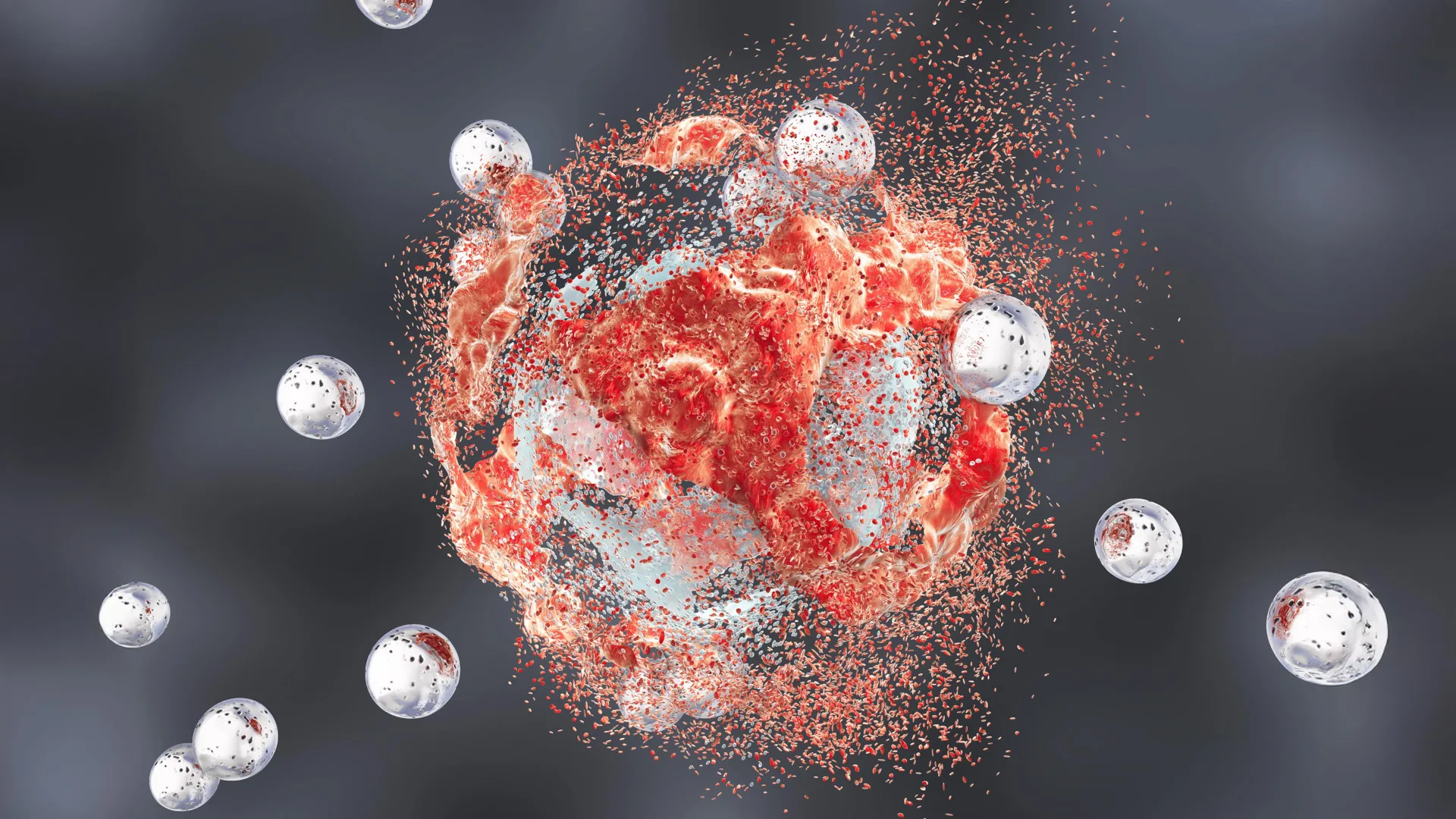
Researchers have uncovered a hidden immune defense capable of attacking small cell lung cancer, an extremely aggressive disease that often escapes conventional treatments. The specialized immune cells can recognize and destroy cancer cells even when tumors have disguised themselves from the immune system.
Key points
- Researchers at WEHI identified gamma delta T cells as a previously overlooked immune cell type that can detect and destroy small cell lung cancer.
- Patients whose tumors contained more of these cells often had better treatment outcomes and survived longer.
- Two existing drugs, tarlatamab and zoledronate, strengthened the cancer-killing ability of gamma delta T cells in laboratory experiments.
Scientists at WEHI have identified a previously overlooked type of immune cell, gamma delta T cells, that can detect and destroy small cell lung cancer (SCLC), the most aggressive form of lung cancer worldwide. The discovery was reported in the journal Cancer Cell.
The researchers found that patients with greater numbers of these specialized immune cells tended to survive longer, pointing to an immune defense not previously recognized. They also showed that medications already in use could enhance the ability of these cells to kill cancer.
Why SCLC evades treatment
Fewer than 7% of patients with SCLC survive five years after diagnosis. Immunotherapy has improved outcomes for several cancer types, but only a small proportion of SCLC patients experience lasting benefits.
A major challenge is the cancer's ability to escape immune surveillance. SCLC tumors frequently avoid detection by the conventional immune cells that many immunotherapy treatments depend on, allowing the disease to persist despite the body's natural defenses.
We've found an immune cell that appears to be able to see through that disguise.
— Professor Kate Sutherland
Drugs and next steps
The team grew miniature tumors from patient tissue samples obtained through the Victorian Cancer Biobank in partnership with the Royal Melbourne Hospital. When gamma delta T cells from the same patients' blood were introduced, the cells were highly effective at identifying and destroying SCLC cells.
Zoledronate increased the number of available gamma delta T cells and improved their ability to identify tumors, while tarlatamab helped bring the immune cells and cancer cells together. Used together, the drugs substantially increased the cells' ability to kill cancer in laboratory experiments. The WEHI team is now working with scientists at the Doherty Institute to translate the findings into a new class of immunotherapy drugs.