Your blood could reveal inflammatory bowel disease 10 years before diagnosis
A major study has uncovered hidden warning signs of inflammatory bowel disease in the blood up to 10 years before diagnosis. Researchers discovered distinct antibody patterns that could help predict who would later develop Crohn’s disease or ulcerative colitis, even distinguishing people at risk of more complicated disease.
Key points
- Researchers found that people who later developed inflammatory bowel disease had significantly less antibody diversity than healthy participants, with distinct changes detectable up to 10 years before diagnosis.
- Machine learning models distinguished future Crohn's disease cases from healthy controls with an AUC of 0.90 and ulcerative colitis with 0.84 using blood antibody patterns from up to a decade earlier.
- The researchers say the findings are a proof of principle and more validation in diverse, prospectively followed populations is needed before any screening test could be used.
Scientists have identified changes in the immune system that can appear up to 10 years before a person is diagnosed with inflammatory bowel disease (IBD), according to findings presented at UEG Week 2026. The research suggests certain antibody patterns in the blood could eventually help doctors spot people at risk of the condition and predict how severe it might become.
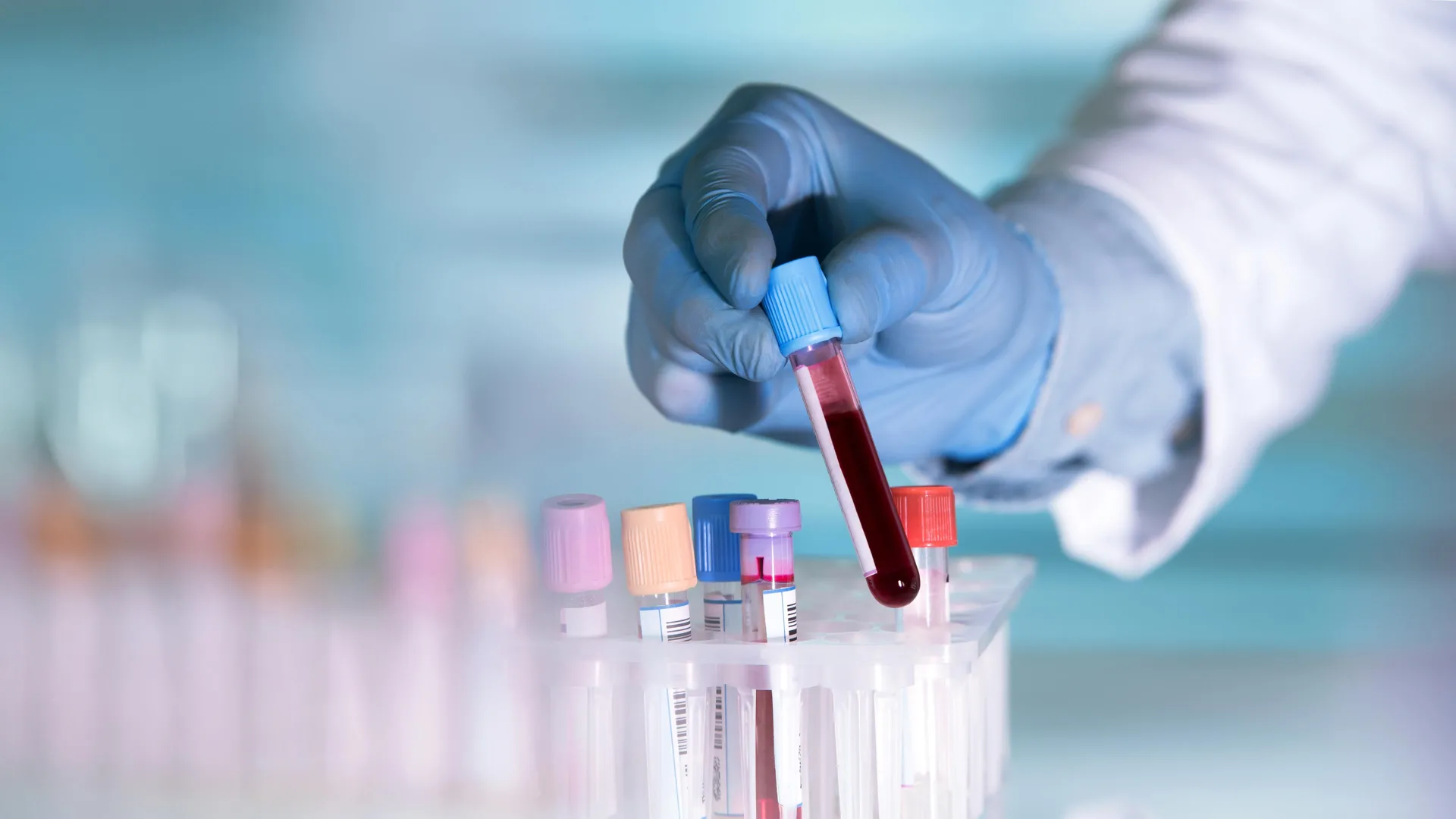
IBD covers long-term disorders including Crohn's disease (CD) and ulcerative colitis (UC) that cause persistent inflammation in the digestive tract. Researchers examined 2,000 blood serum samples from 500 participants: 200 who later developed Crohn's disease, 200 who developed ulcerative colitis, and 100 healthy individuals of similar age and sex. Samples dated from diagnosis and from roughly two, four and 10 years earlier.
What the blood samples showed
The team analyzed antibody reactions to about 357,000 antigens linked to bacteria, viruses, food and the immune system, detecting 123,980 unique antibodies across all samples. People who later developed Crohn's disease or ulcerative colitis had significantly less antibody diversity than healthy participants, and distinctive changes were visible in both diseases as far back as 10 years before diagnosis.
The two diseases also showed different immune signatures. Future Crohn's patients had elevated antibody responses to herpesviruses and bacterial flagellin, especially those who developed complicated Crohn's disease or disease affecting the ileum. Future ulcerative colitis patients showed increased responses to herpesviruses and autoantigens, while responses to encapsulated pathogens declined in both groups as diagnosis approached.
It is fascinating to see that complicated CD at diagnosis is associated with a distinct antibody profile years before the first clinical symptoms
— Dr. Arno Bourgonje
Limits before clinical use
Machine learning models used antibody patterns from up to 10 years before diagnosis to separate future Crohn's cases from healthy controls with an AUC of 0.90, and ulcerative colitis with 0.84. The models also distinguished complicated from less complicated Crohn's disease about 10 years ahead, with an AUC of 0.85.
The researchers stress the results are not ready for routine screening. Further work must confirm the patterns in broader populations and show benefit beyond genetic information, clinical assessments and other blood markers, and any test would need to be accurate, affordable and reproducible.